
"coffee branch selection"
1000 article(s) found
Common sense of Coffee Tree planting
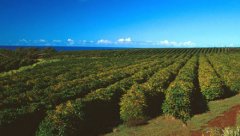
After 3 or 4 years of growth, the coffee tree matures and begins to bear fruit, and one fruit will be arranged in clusters or clusters along the branches. Of course, the coffee beans we see are the seeds of coffee trees. The outside of the seed is a layer of peel, which can be picked as soon as it turns red. Under the red skin (exocarp) there is a layer of pulp (mesocarp), inside is a small thin layer, and then there is a layer of parchment

Honduras: flavor and taste characteristics of selected Highland Coffee
Honduras is located in the north of Central America, facing the Caribbean Sea to the north, the Gulf of Fonseca in the Pacific Ocean to the south, Nicaragua and El Salvador to the east and south, and Guatemala to the west, mostly mountains and plateaus. It has a tropical climate, mild temperature and abundant rainfall, so it is an ideal place for coffee growth. Two kinds of very good quality coffee are produced in Honduras, which are highly respected by coffee lovers.

The highest boutique coffee shop in San Francisco
Coffee is the number one DRUG of Americans. Americans can be obsessed with coffee on an empty stomach in the morning, wake up with coffee in the afternoon, and join us for a cup of coffee in the evening. Boutique coffee (Specialty Coffee) pays attention to the process of selection, choosing good varieties from the beginning of coffee beans, which needs to be picked by hand, only ripe coffee fruits are picked, and then washed and

A brief introduction to the market price of boutique coffee beans in Santa Rita Manor
A special combination of factors, latitude, altitude, soil, plant origin of species and varieties of coffee making in Colombia, rain patterns produced by the climate and tropical convergence of coffee growing areas, changing topography, luminosity, favorable temperature range throughout the year, moderate and Rain Water distribution, including selective logging.

Introduction of Honduran coffee which tastes neither astringent nor sour, mellow and fragrant.
Hongduras coffee bean particles are large in shape, uniform in size, uniform in color and glossy. In order to facilitate harvesting, farmers will prune the coffee trees to no more than 150 centimeters, because if they grow too high, they have to set up ladders to pick, which is not only time-consuming, but also may damage the trees by bending branches. As the ripening period of each fruit of the coffee bean is different, it is necessary to keep the coffee bean good.

Introduction to the description of caffeine content in Colombian coffee bean producing area
Colombian coffee beans caffeine content characteristics flavor description grinding scale varieties introduction Colombian coffee varieties are mainly small-grain coffee. Plants are small trees or large shrubs, 5-8 m tall, usually much branched at base; old branches gray-white, nodes dilated, young branches glabrous, compressed. Leaves thinly leathery, ovate-lanceolate or lanceolate, 6-14 cm long, 3.5-5 cm wide, tip long acuminate

Premium coffee Honduras chooses Highland Coffee
Honduras produces two kinds of coffee of very good quality, which are highly respected by coffee lovers. One is the highland coffee growing at 1000-1500 meters above sea level, and the other is the selected highland coffee growing at 1500-2000 meters above sea level, which represents the highest level in Honduras. Most of the Honduran coffee is exported to the United States and Germany. The granules of coffee beans in Honduras are more shaped than those in Honduras.

Elegant aroma of Sanrita Manor Boutique Coffee Bean Flavor Taste Aroma Characteristics Description Introduction
by a particular combination of factors, latitude, altitude, soil, plant origin of species and variety of coffee making in coffee growing areas of Colombia, climate in coffee growing areas and rain patterns resulting from dual paths of tropical convergence, changing topography throughout the day, light intensity, favorable temperature ranges throughout the year, moderate and rainfall distribution, and including selective harvesting

Introduction to the flavor of Honduran coffee with rich and mellow taste
The granules of coffee beans in Honduras are large in shape, uniform in size and glossy in color. In order to facilitate harvesting, farmers will prune the coffee trees to no more than 150 centimeters, because if they grow too high, they have to set up ladders to pick, which is not only time-consuming, but also may damage the trees by bending branches. As the ripening period of each fruit of the coffee bean is different, it is necessary to keep the coffee bean in good condition.

A brief introduction to the market price of sweet boutique coffee beans in Santa Rita Manor
A special combination of factors, latitude, altitude, soil, plant origin of species and varieties of coffee making in Colombia, rain patterns produced by the climate and tropical convergence of coffee growing areas, changing topography, luminosity, favorable temperature range throughout the year, moderate and Rain Water distribution, including selective logging.

Introduction to Coca Cauca Lazmus Manor, Columbia Coffee with mild Climate
The main varieties of Colombian coffee are small grains of coffee. Plants are small trees or large shrubs, 5-8 m tall, usually much branched at base; old branches gray-white, nodes dilated, young branches glabrous, compressed. Leaves thinly leathery, ovate-lanceolate or lanceolate, 6-14 cm long and 3.5-5 cm wide, tip long acuminate, acuminate part 10-15 mm long, base cuneate or slightly obtuse, rarely rounded, entire or
Fine coffee Colombian coffee species morphology
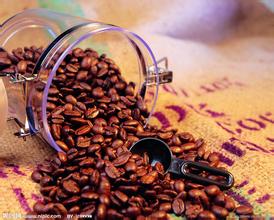
The main varieties of Colombian coffee are small grains of coffee. Plants are small trees or large shrubs, 5-8 m tall, usually much branched at base; old branches gray-white, nodes dilated, young branches glabrous, compressed. Leaves thinly leathery, ovate-lanceolate or lanceolate, 6-14 cm long and 3.5-5 cm wide, tip long acuminate, acuminate part 10-15 mm long, base cuneate or slightly obtuse, rarely rounded, entire or

The shape of Honduran coffee beans introduces the flavor of highland coffee.
The granules of coffee beans in Honduras are large in shape, uniform in size and glossy in color. In order to facilitate harvesting, farmers will prune the coffee trees to no more than 150 centimeters, because if they grow too high, they have to set up ladders to pick, which is not only time-consuming, but also may damage the trees by bending branches. As the ripening period of each fruit of the coffee bean is different, it is necessary to keep the coffee bean in good condition.

Characteristics of Colombian Coffee Flavor Manor
The main varieties of Colombian coffee are small grains of coffee. Plants are small trees or large shrubs, 5-8 m tall, usually much branched at base; old branches gray-white, nodes dilated, young branches glabrous, compressed. Leaves thinly leathery, ovate-lanceolate or lanceolate, 6-14 cm long and 3.5-5 cm wide, tip long acuminate, acuminate part 10-15 mm long, base cuneate or slightly obtuse, rarely rounded, entire or

A brief introduction to the history and culture of the origin and development of San Juan Xido boutique coffee beans in Honduras.
The term "fine coffee" was first put forward by Ms. Knudsen of the United States in Coffee and Tea magazine. At that time, Ms. Knudsen, as a coffee buyer at B.C. Ireland in San Francisco, was very dissatisfied with the neglect of the quality of raw coffee in the industry, and even some big roasters mixed a large amount of Robesda beans in the comprehensive beans, so she put forward the concept of boutique coffee.

Description of the flavor and aroma characteristics of the sweet San Juan coffee beans in Honduras
For more information on coffee beans, please pay attention to the coffee workshop (Wechat official account cafe_style). The term boutique coffee was first put forward by Ms. Knudsen of the United States in Coffee and Tea magazine. At that time, as a coffee buyer at B.C. Ireland in San Francisco, she ignored the quality of raw coffee in the industry, even by some big roasters.

The growth cycle and picking time of coffee
Coffee beans are the seeds of coffee trees. After three or four years of growth, the coffee tree matures and begins to bear fruit, with one fruit arranged in clusters or clusters along the branches.

Treat fresh coffee fruit into fresh coffee beans
It is true that the variety of coffee determines the natural flavor, but the treatment of raw beans determines the acquired quality. Selected coffee attaches great importance to flavor and quality, so it pays special attention to the technology and details of processing.
Honduran boutique coffee common sense selected Highland Coffee
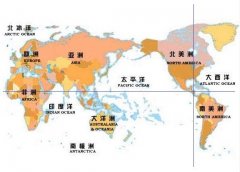
Honduras: special highland coffee flavor and taste characteristics: good flavor, rich and mellow, suitable for mixed drinking. Honduras is located in the north of Central America, facing the Caribbean Sea to the north, the Gulf of Fonseca in the Pacific Ocean to the south, Nicaragua and El Salvador to the east and south, and Guatemala to the west, mostly mountains and plateaus. It has a tropical climate, mild temperature, abundant rainfall, and is a coffee producer.
An obvious description of the flavor, taste and aroma characteristics of Xido coffee beans in San Juan, Honduras
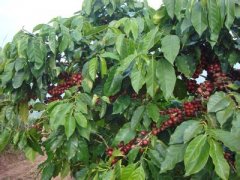
There are six main coffee producing areas in Honduras, including Santa Barbara, Copan, Ocotepeque, Lempira, La Paz and El Paraiso in the southeast. Honduran coffee tastes less acidic, while caramel is more sweet. The taste of coffee from these five different producing areas is also slightly different, some slightly sour.